

What Do We Know About THC?
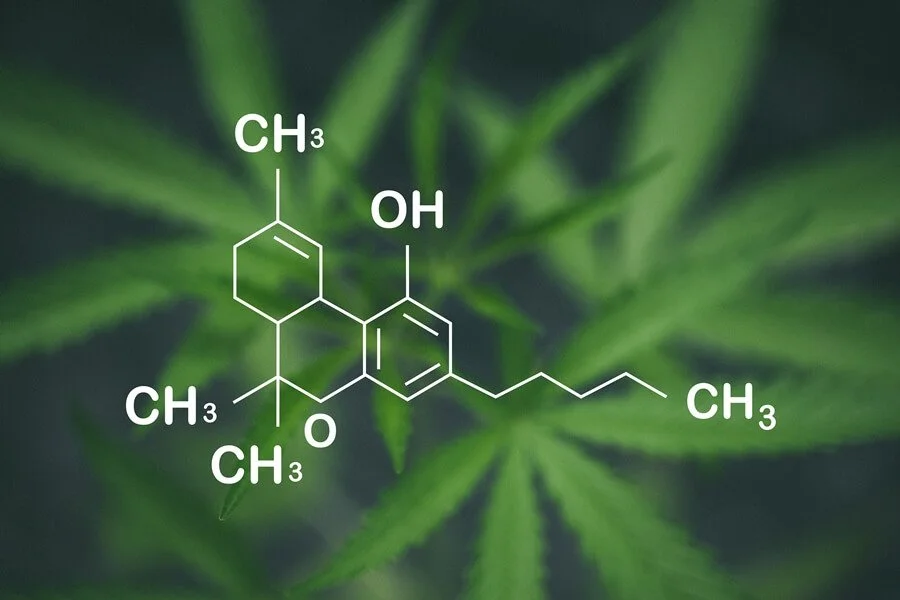
THC
The Molecule That Changed Cannabis: Unpacking THC’s Role in Mind and Body
Tetrahydrocannabinol, commonly known as THC, is the cornerstone cannabinoid behind the signature psychoactive effects of cannabis. As interest in cannabis grows across health-conscious communities—from Los Angeles to Denver and beyond—understanding THC’s role goes beyond getting "high" and dives into its complex interaction with the human endocannabinoid system. This naturally occurring compound binds primarily to CB1 receptors in the brain and central nervous system, influencing mood, perception, appetite, and pain response. With shifting regulations and expanding personal use in states like California and Colorado, it's more important than ever to grasp how THC works and why it matters.
In this guide, you’ll explore:
How THC affects brain chemistry and sensory experience
The difference between psychoactive effects and therapeutic benefits
What to consider regarding dosage, tolerance, and product types
Why set and setting are critical for safe, intentional use
The evolving legal landscape shaping access in major metro areas
Whether you're new to cannabis or seeking deeper insight into its most famous compound, this section lays the foundation for making informed, mindful decisions rooted in science and self-awareness.
The Discovery of THC: A Scientific Journey into Cannabis’ Key Compound
Tetrahydrocannabinol (THC) stands today as one of the most studied compounds in the cannabis plant, but its scientific journey began much later than humanity’s use of cannabis itself. For centuries, people in regions like Central Asia and the Middle East utilized cannabis for its physical and psychoactive effects without understanding the chemical mechanisms behind them. It wasn’t until the mid-20th century that researchers began isolating and identifying the active components in cannabis. In 1964, Israeli chemist Dr. Raphael Mechoulam made a breakthrough by successfully isolating THC, marking the first time the compound was synthesized in a lab. This discovery opened the floodgates for cannabinoid science, allowing researchers to explore how THC interacts with the human body’s endocannabinoid system.
As neuroscience advanced, scientists identified CB1 and CB2 receptors—key components of this internal regulatory network—and found that THC binds directly to them, particularly in the brain and central nervous system. This revelation explained the compound’s ability to alter mood, perception, and pain sensation. Over the decades, research intensified in pioneering regions such as Los Angeles, Denver, and Seattle, where medical cannabis programs created opportunities for clinical observation. These early scientific milestones laid the foundation for today’s cannabinoid-based therapies, guiding both medical professionals and wellness seekers toward a deeper, more informed relationship with cannabis.
Understanding THC’s Interaction with Your Body: A Step-by-Step Guide to Its Effects
Tetrahydrocannabinol (THC) is one of the most well-known cannabinoids found in cannabis, and understanding how it interacts with your body can help you make more informed decisions about its use. Follow these steps to grasp how THC works from ingestion to effect.
Ingestion and Absorption
Whether inhaled, ingested, or applied sublingually, THC enters your bloodstream. Inhalation delivers near-immediate effects as THC moves through the lungs into circulation, while edibles take longer—typically 30 to 90 minutes—due to digestion and liver metabolism.Binding to the Endocannabinoid System (ECS)
Once in your system, THC mimics anandamide, a naturally occurring endocannabinoid. It binds primarily to CB1 receptors concentrated in the brain and central nervous system, which regulate mood, pain, memory, and appetite.Triggering Neurochemical Responses
THC’s activation of CB1 receptors increases dopamine release, contributing to euphoria and altered perception. It also influences glutamate and GABA activity, affecting cognition, coordination, and sensory processing.Experiencing Physical and Cognitive Effects
Common effects include relaxation, altered time perception, increased appetite, and impaired short-term memory. Some users may experience anxiety or dizziness, especially at higher doses.Metabolism and Elimination
Your liver breaks down THC into metabolites, which can remain stored in fat tissues for days or weeks, impacting drug test results even after effects wear off.
Tip: Start with low doses, especially if new to THC, and choose consumption methods that allow better dose control to minimize unwanted effects.
5 Groundbreaking Medical Applications of THC Backed by Science
THC, or tetrahydrocannabinol, is no longer just the compound behind the cannabis high—modern research is uncovering its deep therapeutic potential across multiple health domains. From pain clinics in Los Angeles to integrative wellness centers in Denver and Austin, medical professionals and patients alike are exploring how THC can support symptom management and neurological health. Here are five evidence-informed applications reshaping how we view this powerful cannabinoid.
Chronic Pain Management
THC interacts with the body’s endocannabinoid system, particularly CB1 receptors in the central nervous system, to modulate pain perception. For individuals dealing with neuropathic or inflammatory pain—such as those with arthritis or fibromyalgia—low to moderate THC dosing may offer relief without the risks tied to opioids. Microdosing regimens and sublingual tinctures are gaining traction for their consistent, controlled delivery.Nausea and Appetite Stimulation in Cancer Care
Patients undergoing chemotherapy often struggle with severe nausea and appetite loss. THC has demonstrated antiemetic properties, helping reduce vomiting episodes and stimulate hunger. Oral formulations and controlled-dose edibles are frequently used in regulated therapeutic settings to ensure patient comfort during treatment cycles.Neuroprotection in Neurodegenerative Conditions
Emerging studies suggest THC may slow disease progression in conditions like Alzheimer’s by reducing neuroinflammation and clearing amyloid plaques. While not a cure, its neuroprotective effects highlight potential as part of a broader care strategy, especially when combined with lifestyle and dietary interventions.Spasticity Reduction in Multiple Sclerosis (MS)
MS patients often experience muscle stiffness and uncontrolled spasms. THC has shown efficacy in calming overactive motor neurons, improving mobility and sleep quality. Sativex-like formulations, which combine THC and CBD, are used in clinical settings for targeted symptom control.Anxiety and PTSD Symptom Modulation
At low doses, THC can reduce hyperarousal and intrusive thoughts in PTSD patients. However, dosing is critical—higher concentrations may increase anxiety. Controlled release methods and professional guidance are essential for balancing therapeutic benefits with psychological safety.
The Patchwork of Potency: Understanding THC's Legal Landscape
Navigating THC legality requires careful attention to jurisdictional differences—what's compliant in one state may carry serious penalties just across the border. Federally, THC remains classified as a Schedule I substance, making it illegal under U.S. law regardless of state or municipal policies. This creates a constant tension for consumers and businesses alike, especially when transporting products or sharing information across state lines.
However, state-level approaches vary dramatically:
Fully Legal (Recreational & Medical): States like California, Colorado, and Oregon permit adult-use and medical cannabis, allowing regulated cultivation, sales, and possession within strict guidelines. These markets feature licensed dispensaries, product testing, and taxation systems.
Medical-Only: States such as Texas and Florida allow THC use solely for qualifying medical conditions, with tightly controlled access through state registries and limited dispensary networks.
Decriminalized or CBD-Only: Some regions have reduced penalties for small amounts or permit only low-THC, high-CBD formulations, reflecting partial reform without full access.
Internationally, the contrast is stark. While Canada and Uruguay have national legalization, most countries—including close allies like the UK and Germany—maintain strict prohibitions, though medical programs are emerging.
Key takeaways:
Always verify your local city, county, and state laws—ordinances in places like Denver, Seattle, or Los Angeles may offer more leeway than state rules suggest
Never assume reciprocity—medical cards are rarely honored across state lines
Stay updated via official state health or cannabis control boards, as reforms happen frequently
Understanding these layers helps you stay compliant while making informed decisions.
THC Safety & Usage: Your Top Questions Answered
Is THC safe for regular use?
When used responsibly, THC can be part of a balanced wellness routine for many adults. However, safety depends on dosage, frequency, and individual health factors. Long-term heavy use may impact cognitive function, especially in younger users. To minimize risk, take periodic tolerance breaks and avoid daily high-dose consumption.
What are the most common side effects of THC?
Users may experience dry mouth, red eyes, increased heart rate, drowsiness, or temporary memory impairment. Higher doses can sometimes cause anxiety or paranoia, especially in sensitive individuals. Starting with a low dose and consuming in a calm environment helps reduce adverse reactions.
How much THC should a beginner take?
New users should start with 2.5–5mg of THC, especially with edibles, which have delayed onset. Wait at least two hours before considering more. Inhalation methods offer faster feedback but require careful pacing. Using a journal to track dosage and effects supports personalized adjustments.
Can THC interact with medications?
Yes. THC may affect how certain medications metabolize, particularly those processed by the liver’s cytochrome P450 system. This includes blood thinners, antidepressants, and anti-seizure drugs. Consult a healthcare provider before combining THC with prescription regimens.
Is it possible to overdose on THC?
There are no recorded cases of fatal THC overdose. However, consuming too much can lead to intense discomfort, including nausea, dizziness, or anxiety. Stay hydrated, remain in a safe space, and remember the effects are temporary. Choosing lab-tested products ensures accurate dosing and reduces risk.
Final Thoughts: Making Informed, Responsible Choices with THC
THC remains one of the most studied and widely recognized compounds in the cannabis plant, offering both profound psychoactive experiences and promising therapeutic applications. From its discovery in 1964 to its role in modern medicine, this molecule continues to reshape how we approach pain, mental health, and neurological wellness—particularly in forward-thinking cities like Los Angeles, Denver, and Austin.
Key insights from current research include:
THC’s ability to modulate the endocannabinoid system, influencing mood, perception, and physical sensation
Its proven effectiveness in managing chronic pain, nausea, MS spasticity, and PTSD symptoms
The importance of responsible use, proper dosing, and awareness of legal status
For those new to THC, starting low and going slow is essential. Track your experiences, prioritize lab-tested products for consistency, and always consider set and setting. Legal landscapes are evolving rapidly, so staying informed about local regulations helps ensure safe, compliant access.
As science continues to validate what many have long known intuitively, the future of THC in wellness looks both promising and grounded in evidence. Your journey with cannabis begins with knowledge—stay curious, stay cautious, and make intentional choices that support your well-being.
