

Benefits of Psilocybin .
A Quiet Revolution in Mental Wellness: The Rise of Psilocybin Microdosing
What if small, intentional doses of a naturally occurring compound could enhance focus, elevate mood, and support emotional resilience—without altering your state of consciousness? This is the promise behind microdosing psilocybin, a practice gaining momentum among health-focused individuals from Los Angeles to Portland and beyond. Unlike traditional psychedelic use, microdosing involves sub-perceptual amounts—too low to cause hallucinations, but potentially high enough to influence brain function in meaningful ways. As more people seek alternatives to conventional mental health support, interest in this subtle yet powerful approach continues to grow.
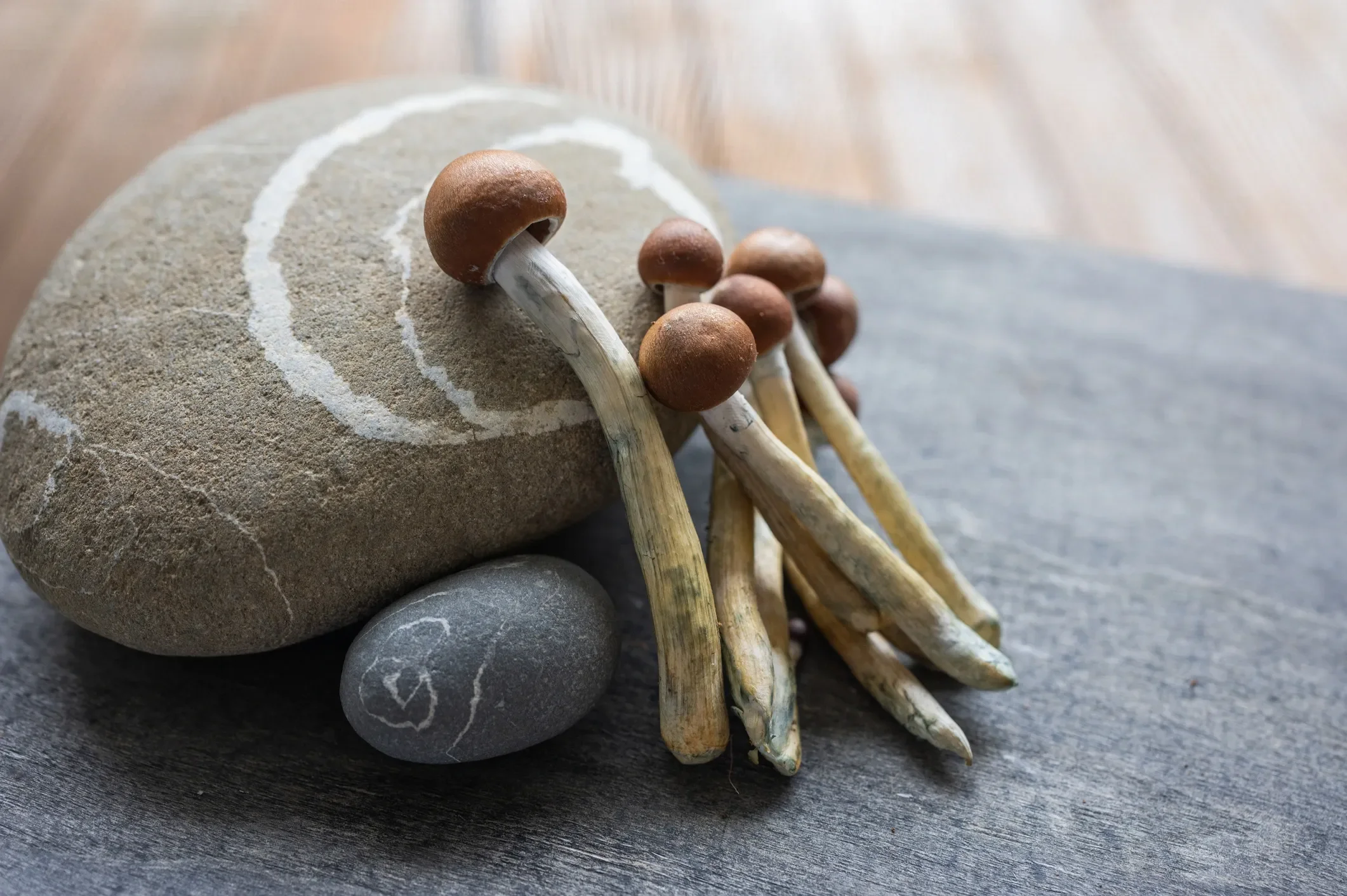
In this guide, you’ll discover:
How microdosing differs from full-dose psychedelic experiences
Common patterns and protocols used for consistent results
Potential benefits for mood regulation, creativity, and cognitive performance
Key safety considerations and harm-reduction practices
Why set, setting, and sourcing matter when beginning your journey
Whether you're exploring wellness optimization or seeking support for mild anxiety or low energy, understanding the fundamentals of psilocybin microdosing can help you make informed, intentional choices aligned with your lifestyle and goals.
Unlocking Mental Clarity: How Microdosing May Enhance Cognitive and Emotional Resilience
Microdosing psilocybin has emerged as a growing practice among professionals, creatives, and wellness enthusiasts seeking subtle yet meaningful improvements in mental performance and emotional balance. Unlike full psychedelic experiences, microdosing involves taking sub-perceptual amounts—typically 5–10% of a standard dose—to avoid hallucinogenic effects while potentially amplifying focus, mood regulation, and cognitive flexibility. Many users in urban centers like Los Angeles, Denver, and Austin report enhanced problem-solving abilities, improved mindfulness, and a greater sense of emotional stability over time.
Early adopters often incorporate microdosing into daily routines to support:
Increased mental clarity and sustained attention
Reduced symptoms of low-grade anxiety and emotional reactivity
Greater openness and creativity in personal and professional settings
Improved mood regulation without sedation or emotional numbing
Because effects are subtle and build gradually, consistency and intention matter. Most regimens follow a cyclical schedule—such as dosing every third day—to prevent tolerance while maintaining benefits. As with any wellness protocol, individual biochemistry plays a key role, so tracking mood, energy, and focus in a journal can help fine-tune dosage and timing. Given evolving local regulations, always stay informed about compliance in your city and state, particularly in regions where therapeutic use is gaining momentum.
3 Powerful Ways Microdosing Psilocybin Enhances Mental Clarity and Well-Being
Microdosing psilocybin has gained attention as a tool for fine-tuning mental performance and emotional resilience—especially among high-functioning professionals, creatives, and wellness-focused communities in cities like Los Angeles and Denver. Emerging anecdotal patterns suggest subtle, regular doses may help recalibrate cognitive rhythms without inducing hallucinogenic effects. Here are three science-adjacent benefits supported by community-driven observation and early research frameworks:
Boosts Creative Problem-Solving
Users frequently report enhanced divergent thinking—the ability to generate multiple solutions to a single problem—within days of starting a microdosing regimen. Many artists, designers, and entrepreneurs in creative hubs use this method to break through mental blocks, improve ideation during brainstorming sessions, and reframe challenges with fresh perspective. The proposed mechanism involves gentle modulation of the default mode network (DMN), which can reduce mental rigidity and encourage novel neural connections.Sharpens Focus and Task Engagement
Unlike stimulants that can overexcite the nervous system, microdosing is described as promoting a calm, centered alertness. Users often experience improved concentration during deep work periods, with reduced distractibility and mental chatter. This makes it appealing for those managing high-stress workloads or attention-demanding projects. Pairing doses with structured routines—like time-blocking or mindfulness practices—can amplify these effects.Supports Emotional Equilibrium and Mood Resilience
Many individuals report increased emotional stability, reduced reactivity to stressors, and a greater sense of inner calm. This makes microdosing an attractive option for those navigating anxiety, burnout, or subtle mood imbalances. It’s not a replacement for clinical treatment, but as a complementary practice, it may help reset emotional tone when combined with therapy, movement, and intentional rest.
For best results, adopt a consistent cycle—such as one microdose every third day over four weeks—while tracking changes in mood, energy, and productivity. Always prioritize product transparency, accurate dosing, and legal compliance in your area.
Starting Your Microdosing Journey: A Step-by-Step Guide to Safety and Success
Microdosing psilocybin is gaining interest among wellness seekers in cities like Los Angeles and Denver, where holistic health practices are on the rise. While research is still evolving, many users report enhanced focus, emotional balance, and creativity from consistent, low-dose regimens. However, safe and effective microdosing requires structure, awareness, and intention. Follow these steps to begin responsibly:
Consult a Healthcare Professional
Before starting, speak with a provider familiar with cannabinoid and psychedelic wellness—especially if you have a history of mental health conditions or take medications. Psilocybin can interact with serotonin-based drugs, so medical insight is crucial.Understand Proper Dosage
A true microdose is typically 0.05g to 0.1g of dried psilocybin mushrooms—sub-perceptual and non-intoxicating. Use a precision scale to measure doses accurately and avoid guesswork.Choose a Consistent Schedule
Adopt a rhythm such as “four days on, three days off” to prevent tolerance buildup and maintain effectiveness. Track your experience daily in a journal noting mood, energy, and focus.Start Low and Observe
Begin with the lowest dose to assess sensitivity. Wait at least four days before adjusting upward. Patience ensures you avoid overstimulation and find your optimal threshold.Prioritize Set and Setting
Even at microdoses, mindset and environment matter. Practice in a calm, familiar space and avoid use during high-stress periods.
Tip: Opt for lab-verified products when available to ensure purity and consistency—especially important for long-term use and local compliance in regulated areas.
You’ve Got Questions: Your Top Microdosing Concerns Answered
What actually happens when you microdose psilocybin?
Microdosing involves taking a sub-perceptual dose—typically 0.05g to 0.2g—of dried psilocybin mushrooms, enough to engage the nervous system without inducing hallucinations. Users often report subtle yet noticeable shifts in mood, focus, and emotional resilience. This effect is believed to stem from psilocybin’s interaction with serotonin receptors, particularly 5-HT2A, which influences cognitive flexibility and neuroplasticity.
How often should I microdose for optimal results?
Most protocols follow a cycling schedule to prevent tolerance build-up and maintain effectiveness. A common rhythm is the “one day on, two days off” method, or adhering to Dr. James Fadiman’s popular four-day cycle: dose one day, then wait three days before repeating. Consistency over several weeks can help reveal patterns in mental clarity and emotional regulation.
Is microdosing psilocybin legal where I live?
While full-dose psilocybin remains federally illegal in the U.S., some cities and counties—including areas in California, Colorado, and Oregon—have decriminalized its possession and personal use. However, this does not equate to legalization, and microdosing typically exists in the same gray area. Always verify local ordinances in your city and county, as policies vary dramatically even within legal states.
Can microdosing interfere with medications or mental health?
Psilocybin affects brain chemistry, so caution is advised when combining it with antidepressants (especially SSRIs or MAOIs), antipsychotics, or ADHD medications. Those with a personal or family history of psychosis should consult a healthcare provider before starting a regimen.
What’s the best way to track microdosing effects?
Keep a daily journal logging mood, energy, creativity, focus, and sleep quality. Tracking results over 4–6 weeks can reveal individual patterns and help fine-tune dosage and frequency. Consider using standardized mood scales or mindfulness practices to enhance self-observation.
Making Smart Choices: Your Path Forward with Microdosing
Microdosing psilocybin has emerged as a thoughtful approach for those seeking mental clarity, emotional balance, and enhanced creativity without intense psychoactive effects. As interest grows in cities like Los Angeles, Denver, and beyond, it's essential to prioritize responsibility, self-awareness, and informed decisions. This practice isn’t about escaping reality—it’s about engaging with it more fully, mindfully, and intentionally.
To ensure a safe and effective experience, follow these actionable steps:
Start low and go slow—use sub-perceptual doses (typically 0.1–0.3 grams of dried mushroom) to gauge your sensitivity
Keep a journal to track mood, focus, sleep patterns, and subtle shifts in cognition
Maintain consistency with dosing schedules, such as every third day, to avoid tolerance buildup
Prioritize set and setting—choose calm, familiar environments free from stress or distractions
Source mindfully—only use lab-tested, contaminant-free products to ensure purity and dosage accuracy
Legal and personal health considerations also play a key role. While psilocybin remains federally regulated, some local jurisdictions are advancing toward decriminalization or therapeutic access. Stay updated on your state and city laws, especially in progressive areas where policy changes occur frequently.
Your well-being is the top priority. If you're managing mental health conditions, consult with a trusted healthcare provider before beginning any new regimen. By combining scientific awareness with personal responsibility, you empower yourself to explore psilocybin’s potential safely and sustainably. The journey to greater self-understanding starts with one intentional step—take it with care, curiosity, and confidence.
